
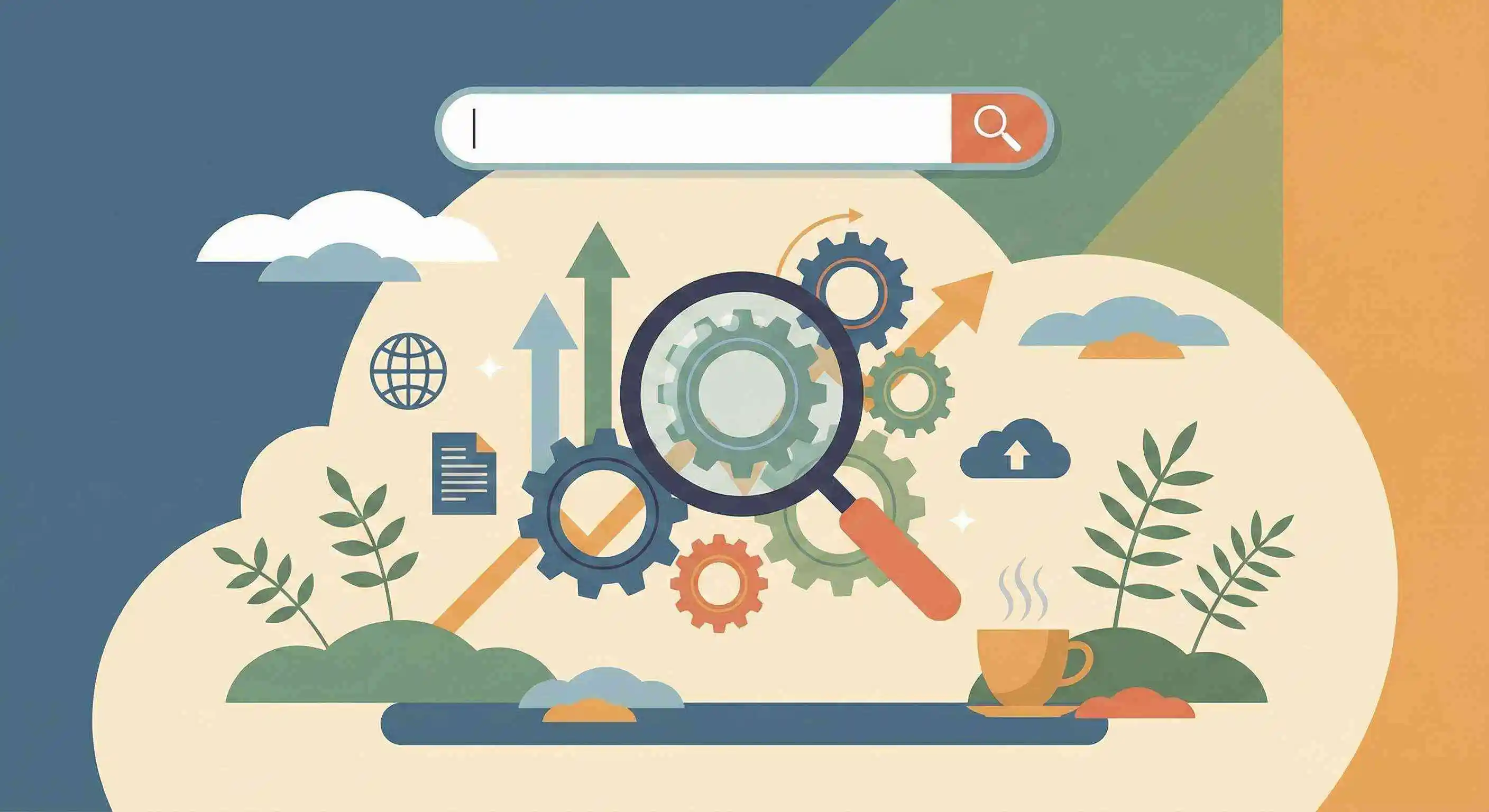
What is SEO? Complete Beginner's Guide for Founders (2026)
New to SEO? This simple guide explains search engine optimization for startup founders. No jargon, just what you need to know to grow traffic.


SEO stands for Search Engine Optimization, which basically means making your website show up higher in search engine results (like Google) when people look for something related to your business. In simple terms, it’s about optimizing your site so search engines can easily crawl and understand it, leading to more visibility and traffic when people search. SEO focuses on organic (unpaid) traffic - unlike paid ads, these are visitors you don’t pay for with each click, and it all revolves around writing good content and making your site user-friendly.
Imagine SEO like arranging letters in Scrabble. Each word or phrase on your site is like a set of tiles that can score points in a Google search. By picking the right keywords (letters) and placing them well, you help Google match your page to what people are searching for. For example, writing a blog post about "how to market a startup" using those exact terms tells Google that your site is relevant to that topic. The goal is to appear on the first page of Google results for terms people search for.
In practice, SEO covers a few main areas. It includes keyword research (finding out what terms your audience is searching for), on-page SEO (optimizing the content and HTML tags on your pages), off-page SEO (building links or mentions from other sites), and technical SEO (improving site speed, mobile-friendliness, and crawlability). When you cover all those bases, your site becomes both user-friendly and attractive to search algorithms.
Why Small Founders Should Care About SEO
SEO isn't just for big companies with big budgets. In fact, it can be even more important for small startups or solo founders. Here’s why:
-
Free, targeted traffic: Over half of all web traffic comes from organic search. That means potential customers are actively looking for solutions online. If your site ranks for the right keywords, you tap into that huge source of visitors. (SEO is about organic results - essentially “traffic that you don’t have to pay the search engine for”.)
-
Long-term growth: SEO compounds over time. As Salesforce explains, “the more effort you put into SEO, the more it pays off over time”. Paid ads can give a quick spike, but once the budget runs out the traffic stops. Good SEO, on the other hand, keeps bringing visitors with little to no additional cost after the initial work.
-
Builds trust and credibility: People tend to trust top search results. If your startup appears on page one for relevant searches, it signals that you’re a credible source. Search engines provide “a valuable opportunity to direct relevant and qualified traffic to your website”, so ranking prominently helps your brand look reliable.
-
Cost-effective marketing: For founders with tight budgets, SEO is one of the most cost-effective channels. You invest time and effort instead of big ad spend. (The U.S. Chamber of Commerce notes SEO is a cost-effective marketing strategy that can reduce the need for expensive ad campaigns.)
-
Better user experience: Good SEO forces you to improve your website’s usability. Search engines reward sites that load quickly and look good on mobile. For example, focusing on site speed and layout - part of technical SEO - also “makes it easier for customers to trust you”. A well-optimized site keeps visitors happy and engaged, which only helps your business.
Simply put, if your startup doesn’t invest in SEO, you’re likely invisible to the people searching for your product. Research shows about 75% of search clicks go to results on the first page. A top ranking can capture around 40% of those clicks, while lower positions get much fewer. That’s why appearing on page one is critical for visibility and growth.
How to Get Started with SEO
Getting started with SEO can seem overwhelming, but you can boil it down to a few key steps:
-
Setup basics: Claim your free Google Search Console and Search Console accounts and link them to your site. These tools show how your site is performing in search and what keywords bring traffic. (For example, LLaMaRush starts its process by connecting these tools to your site.)
-
Keyword research: Brainstorm terms your audience might use (e.g. "best productivity apps for startups"). Use a keyword tool or even Google autocomplete to see what people are searching. Focus on phrases that match what your product or content solves.
-
Create helpful content: Write blog posts or pages around those keywords. Make your content genuinely helpful and relevant. For example, answer common questions your customers have. Use clear headings and bullet points to make the content easy to read.
-
Optimize pages: Include your main keyword in the page title, at least one subheading, and naturally in the text. Write a clear meta description that includes the keyword. These on-page tweaks help search engines understand your page’s topic.
-
Technical check: Use a modern site platform (like WordPress or Wix) and a lightweight theme. Ensure your site loads quickly (tools like Google PageSpeed Insights can help). Make sure it’s mobile-friendly. These technical factors improve SEO and also make visitors happy.
-
Promotion and links: Share your content on social media or in newsletters to drive initial traffic. As you grow, try to earn backlinks by guest blogging or partnering with other sites. Each link from a reputable site is a vote of confidence for search engines.
-
Monitor & iterate: SEO takes time. Check your organic traffic and rankings in Search Console/Analytics. When you publish new content or make changes, track the results. If a page isn’t ranking, try updating it. Over time, adjust your strategy based on what works.
For founders who want a faster route, tools like LLaMaRush (an AI SEO co-founder) automate much of this. LLaMaRush lets you connect your Google data and then “finds your top opportunities” and gives a “7-day action plan” for content. It even integrates with your CMS to schedule posts for you. This kind of tool isn’t strictly necessary to do SEO, but it shows how even non-experts can get help with the heavy lifting.
Bringing It All Together
In summary, SEO means optimizing your website so that search engines like Google rank it higher in results.
For startup founders and solopreneurs, SEO is not optional - it’s how you get free, high-intent traffic to your site. By following the basics (optimizing your content, using relevant keywords, and improving your site), you make it easy for customers to find you. Though results come over time, the payoff is sustainable growth and a better return than many paid channels.
No matter how small your startup is, some SEO effort will significantly boost your online presence. Start with the steps above, keep learning, and over months your site will climb higher in search results. Your future customers are already out there searching - SEO is simply the bridge that connects them to your business.
Thanks for reading! ❤️
Written by
SiddharthRead Next
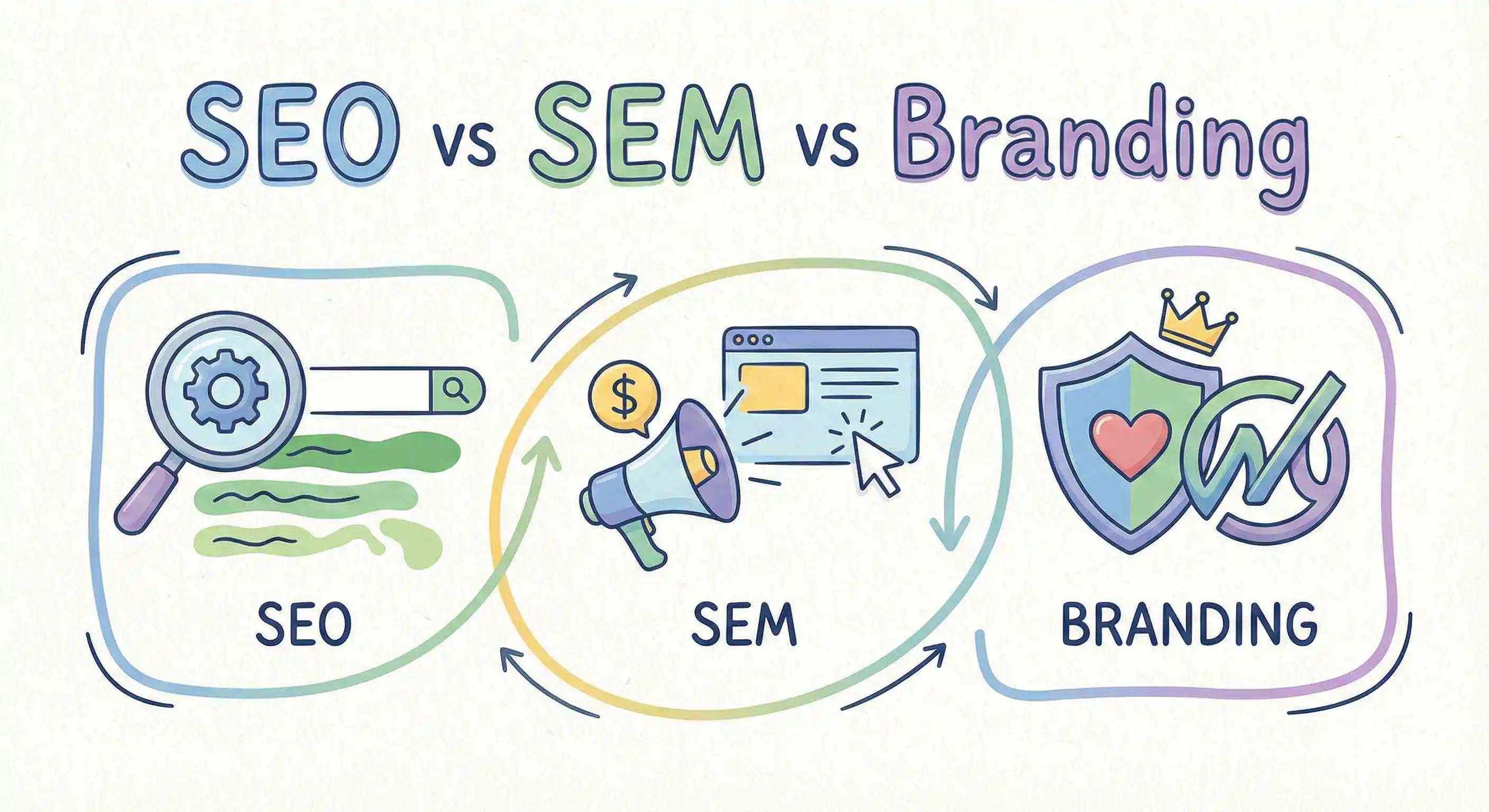
SEO vs SEM vs Branding: Which Grows Your Startup Faster?
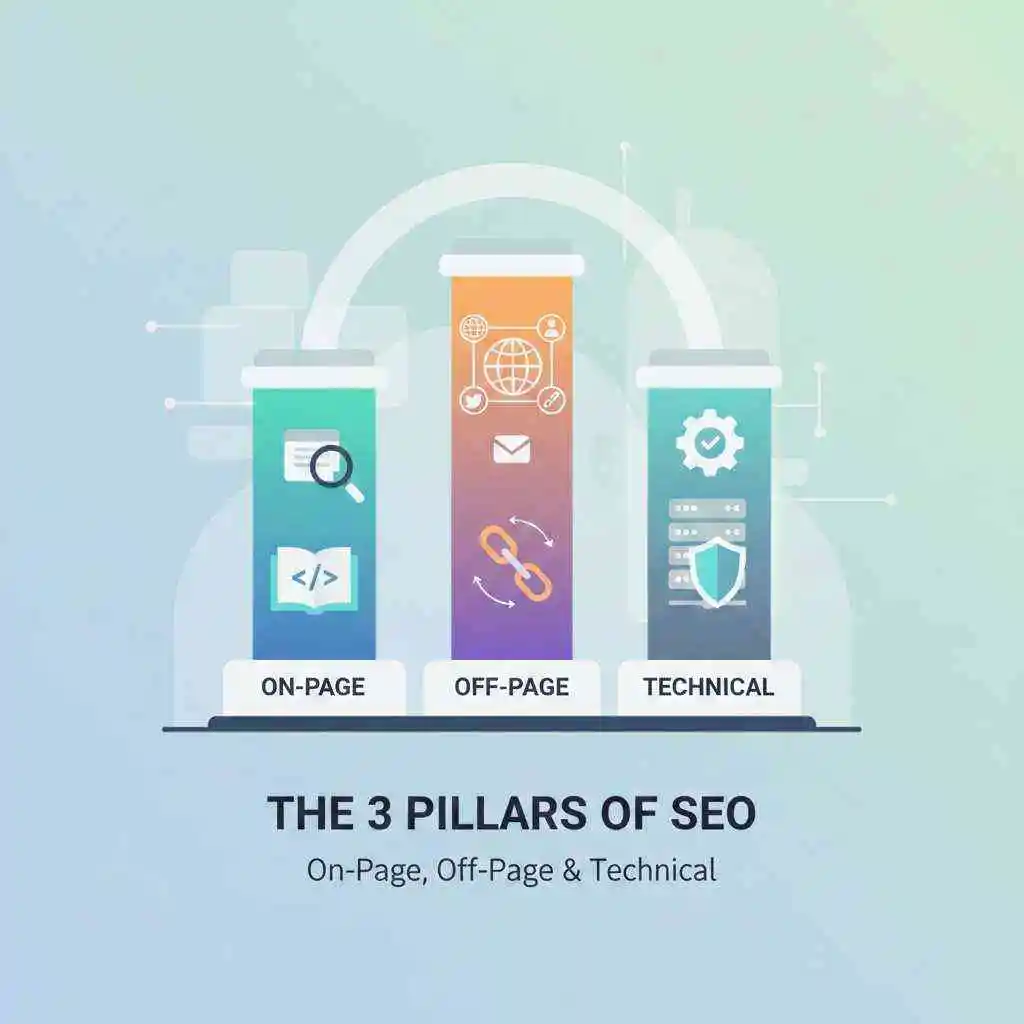
3 Pillars of SEO: On-Page, Off-Page & Technical (2026 Guide)

Landing Page SEO: Rank Your SaaS Pages & Get More Signups
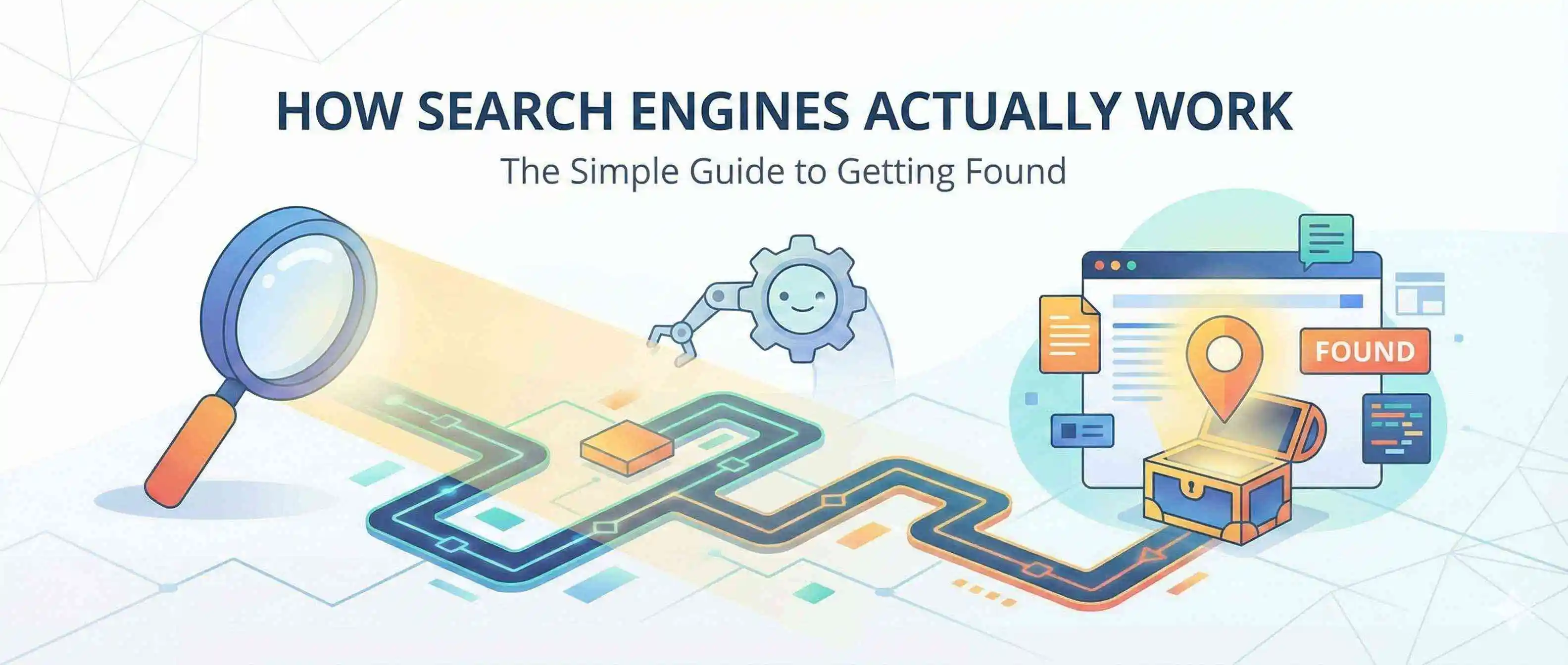
How Search Engines Work: SEO Basics Explained Simply (2026)
3 Pillars of SEO: On-Page, Off-Page & Technical (2026 Guide)
Turn this into your AI Search strategy
LLaMaRush creates SEO, AEO, and GEO optimized content built to rank in Google and get cited by AI answer engines.
Start Ranking Everywhere